
Congratulations: opinion article by Felix Hoheneder on: when drought meets Fusarium Head Blight (Emerging Leaders in Plant Pathology collection: J. Plant Dis. Prot. , https://doi.org/10.1007/s41348-026-01312-4).

Julian managed to identify and characterize tomato MIK2A, the ortholog of Arabidopsis MIK2. It shares function in Fusarium elicitor responses but differs in function as a SCOOP phytocytokine receptor (New Phytol. https://doi.org/10.1111/nph.71420).
Chitosan-induced resistance to Fusarium Head Blight appears to be physiologically cost effcient and to bear breeding potential (BMC Plant Biol. https://doi.org/10.1186/s12870-026-09486-7).
Hordatines accumulate to higher levels in barley that shows quantitative resistance to Bipolaris sorokiniana spot blotch (J. Agr.Food Chem. https://doi.org/10.1021/acs.jafc.6c01645).
Lin-Jie Shu, a former lab member in the junior group of Steffi Ranf, finished his work on specificity and strctural basis of LORE receptor mediated recognition of bacterial 3-OH fatty acids in Steffi´s lab in Fribourg and just published two preprints on it (1, 2).

Sophia Hein and helpers found: Barley produces high amounts of phenylalanine- and tryptophan-derived secondary metabolites, including hydorxycinnamic acid amides as well as related hordatines in response to Fusarium Head Blight. Multiomics finds this as the most consistent response over four diverse genotypes [Stress Biol. 6, 41].

Congratulations to Henriette Leicher for her 1st author paper about major parts of her doctoral thesis work on the contributions of RALF peptides to reproductive success of powdery mildew on Arabodopsis thaliana [New Phytol. 71282; https://doi.org/10.1111/nph.71282].

Franz Hagn, his team and friends did a great job in resolving the atomic scale nature of the inactive, active and downstream effector ICR/RIP-bound active ROP GTPase RACB. The complex may form a positively charged interface for anionic plasma membrane lipid interaction that functions in disease susceptibility [more].
We did it again. Three preprints in one week. This time on powdery mildew genomics etc.. Check us out! (1, 2, 3)
Congratulations to Marion Müller and her colleagues from Zurich to this publication. One receptor detects two distinct effectors.This and the previously published work from Zurich draws a really big picture in crop plant pathology and resistance (NATURE Commun.)

Felix Hoheneder & Christina Steidele published a second big step towards better understanding of barley double stress reponses to drought and Fusarium Head Blight. Big thanks to Corinna Dawid´s lab for their great support. (Plant Cell & Environment)
Congratulations to Alex Kutschera and Remco Stam, two former lab members, who during their time at TUM contributed to a large scale environmental adaptation experiment, now published in SCIENCE (https://doi.org/10.1126/science.adz0777).
Congratulations to Sabine Brumm for her 1st plus corresponding author contribution to the field of disease susceptibility factors (preprint: https://doi.org/10.64898/2026.03.31.715550).
Pearls, Pearls, Pearls. Several lab members recently contributed to a series of PLOS Pathogens pearls to set the theoretical framework of the collaborative research center TRR356. Those minireviews provide perspectives for research and teaching materials.
[1,2,3,4, 5]
One receptor for two effectors! New preprint output from Marion´s Zurich collaboration! https://doi.org/10.1101/2025.10.26.683672
New paper and new preprint on chemical diversity of barley defense compounds in interaction with parasitic ascomycetes. Great collaboration with Corinna Dawid´s lab and others.
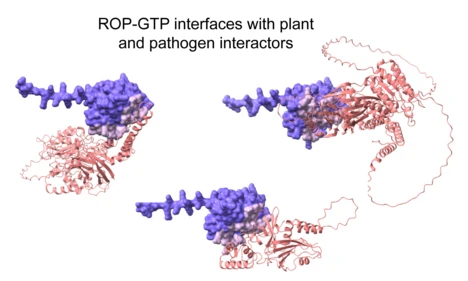
The ROP GTPase RACB has been co-immunoprecipitated with two host phospholipid-metabolizing enzymes and one fungal effector that influences pathogen interaction. All three modeled protein complexes share an overlapping binding interface with RACB. [The Plant Journal]
Marion published a nice review on Blumeria virulence effectors together with our collegues from Cologne. Congratulations! https://doi.org/10.1094/MPMI-12-24-0155-FI
Together with Aurelien Tellier as the spokesperson and the BarleyCOPA consortium, Christina and Ralph acquired funding for 4 years research on barley x Fusarium x genotype x genotype x environment interactions. Welcome to our new doctoral candidates Jizhou and Mohamad. https://www.pflanzenforschung.de/de/forschung-plant-2030/projekte/391/detail
Together with colleagues from Zurich, Marion managed to establish the coolest method on earth to identify avirulence effectors …… https://doi.org/10.1371/journal.ppat.1012799
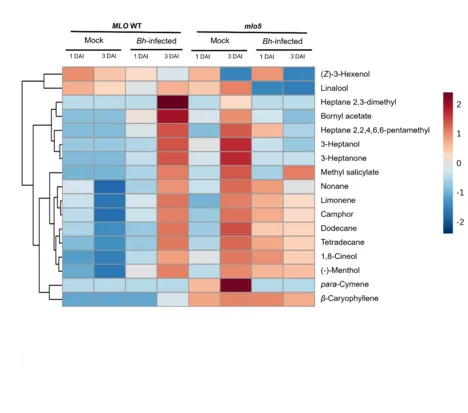
Apparently, barley plants can sense via their volatiles whether their neighbors are susceptible or resistant to powdery mildew. https://doi.org/10.1111/ppl.14646
In humans and animals, cytokines have been described as small proteins (peptides) for their hormone function in the control of various processes, including the control of the immune system. Martin´s group now found that plant CEP phytocytokines link plant immunity and nitrogen status [NATURE Communications]. [and more]
The fatty acid receptor LORE confers resistance to diverse pathogens when expressed in tomatoes. https://doi.org/10.1111/mpp.70005
The new edition of Agrios´ Plant Pathology text book came out with contributions of Ralph Hückelhoven and colleagues on mechanisms and genetics of plant diseases and immunity.
Congratulations to Martin Stegmann who is leaving us for a W3-professorship at University of Ulm by April 2024.
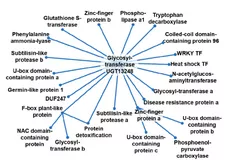
Congratulations to our shared first authors Felix and Tina and all contributors for this important step towards understanding double drought and Fusarium stress responses in barley. doi.org/10.1093/jxb/erad348
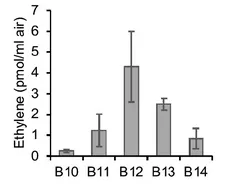
Congratulations to Tina Steidele for her shared first authorship on microbial small cysteine-rich peptide elicitors and convergent evolution of their preception in plants. https://doi.org/10.1038/s41467-023-39208-8
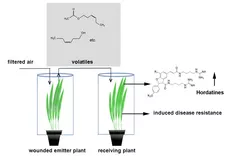
The labs of Corinna Dawid and Ralph Hückelhoven joined forces to study the function of wound-induced volatiles in plant to plant signalling. https://doi.org/10.1111/plb.13487
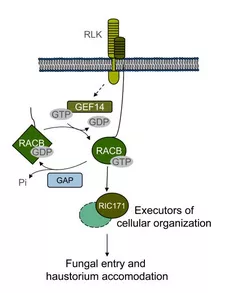
Adriana Trutzenberg developed a RAC/ROP activity assay and shows that GEF14 is an activator of RACB in barley susceptibility to powdery mildew. BEST STUDENT PAPER in Mol. Plant Pathol. https://doi.org/10.1111/mpp.13246
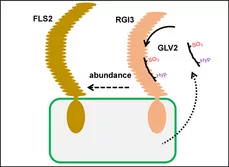
Martin Stegmann and his team found golven peptides to modulate immune receptor abundance and signalling. EMBO Rep. https://doi.org/10.15252/embr.202153281
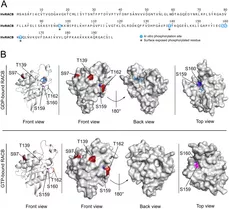
Lukas Weiß proved in vitro and in vivo posttranslational modifications of the ROP GTPase RACB. Thanks to the Küster and Kumlehn labs for great support. PLOS one: https://doi.org/10.1371/journal.pone.0258924
Congratulations to Remco Stam, who is leaving us by april 2022 to join University of Kiel as a full Professor for Phytopathology.
Congratulations to Steffi Ranf, who is leaving us by february 2022 to join University of Fribourg as a full Professor for Plant Sciences. Good part of her group stays to continue the successful work on MAMP triggered immunity.
Remco Stam and friends edited a focus issue on Population Genomic- and Phylogenomic-Enabled Advances to Increase Insight Into Pathogen Biology and Epidemiology, published in PHYTOPATHOLOGY.
Congratulations to Felix Hoheneder for his first first author peer-reviewed paper on the effect of host genotypes and drought on Ramularia leaf spot of barley [more]
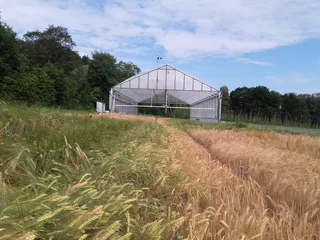
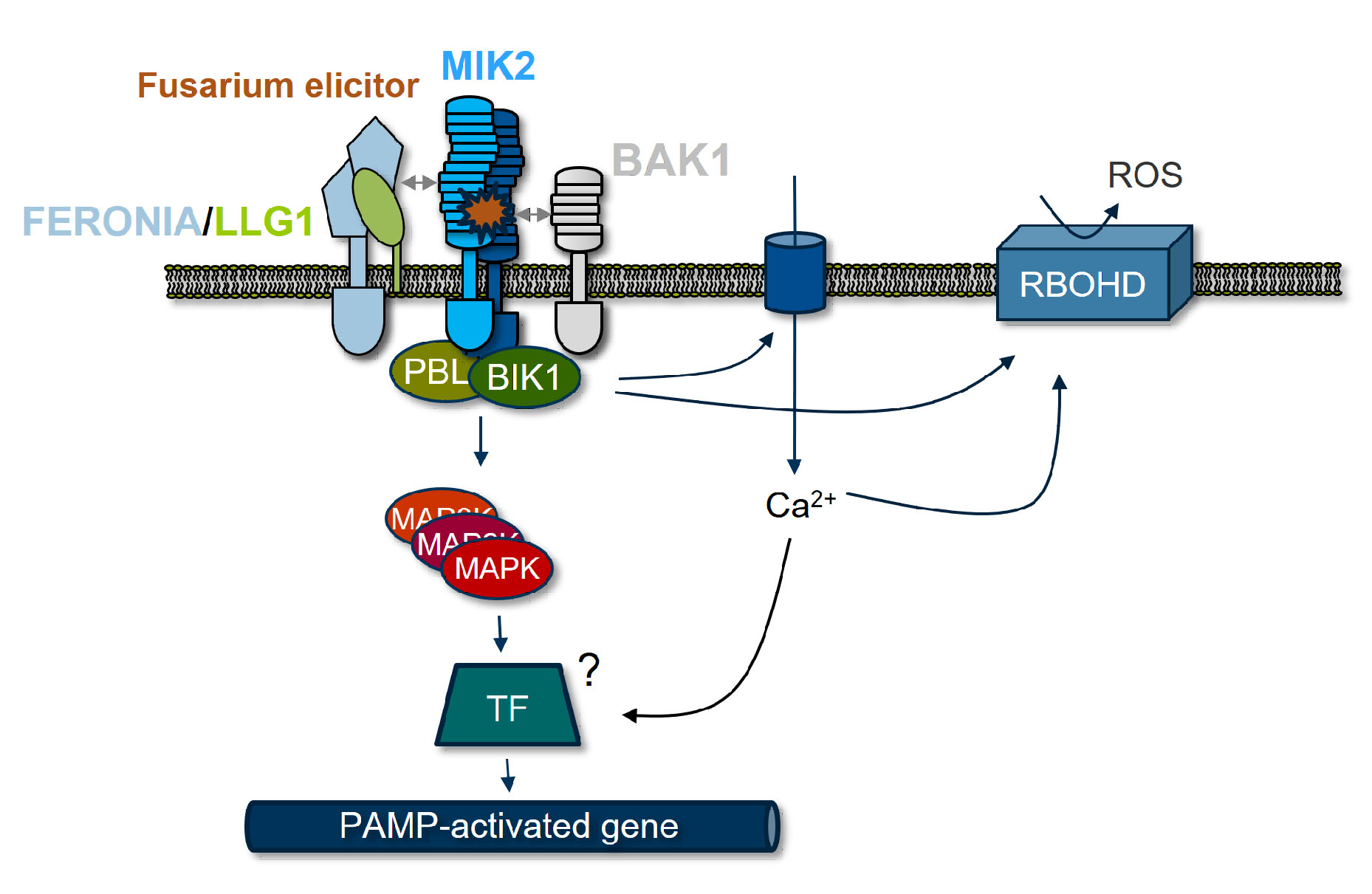
The receptor-like kinase MIK2 apparently functions as a Fusarium elicitor receptor [more]
Ralph Hückelhoven published a new Humboldt review on plant immunity with Isabel Saur from MPI Cologne.
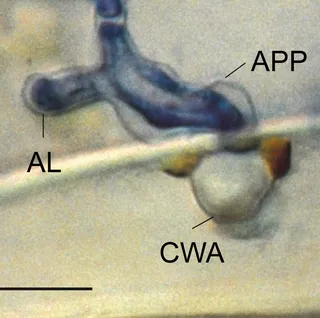
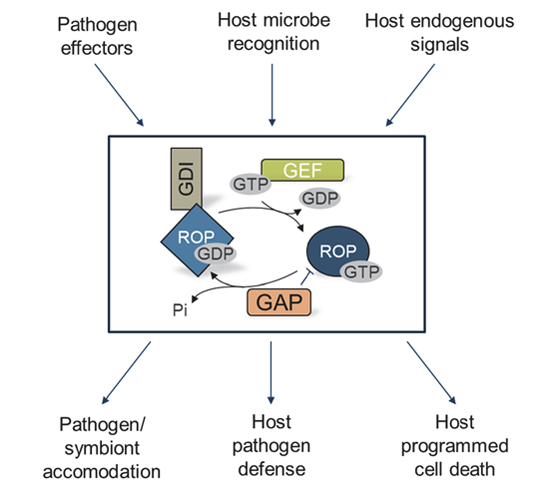
Neuer Review über ROP signalling!
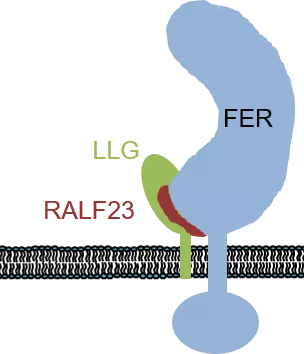
Martin Stegmann, ein ehemaliger Postdoc im Labor von Cyril Zipfel in Norwich, vollendendete an der TUM seine Arbeiten an der Struktur-Funktionsbeziehung eines FERONIA-LLG1/2-RALF23 Rezeptorkomplexes in der pflanzlichen Immunität. Es zeigte sich ein überraschender Mechanismus der Ligandenbindung. Die spannenden Details der Anaylse erschienen jetzt in NATURE.
Pflanzen erkennen bakterielle Metabolite über den Oberflächensensor LORE in der basalen Pathogenabwehr (Science)

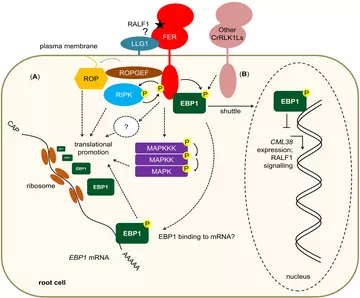
Neuer Kommentar über die Regulation von Translations- und Transkriptionskontrolle durch die Rezeptorkinase FERONIA über EBP1 (mehr).
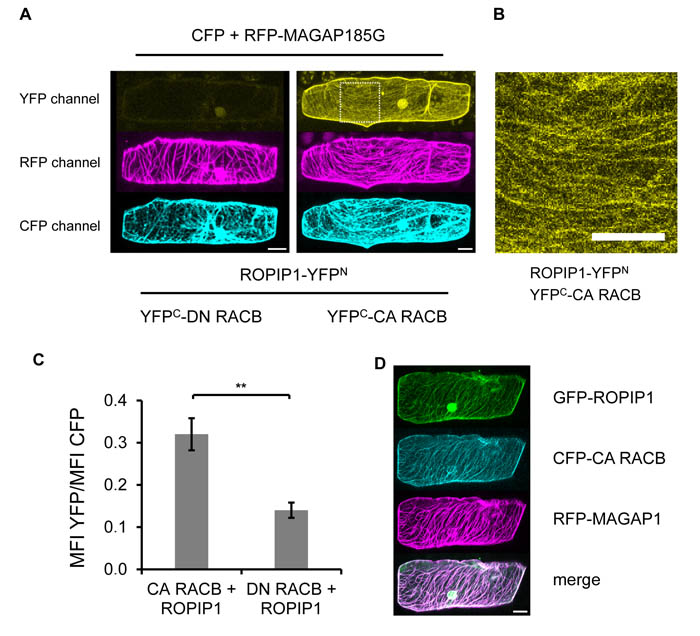
Neue Arbeit über ein neofunktionalisiertes Retrotranspososon von Blumeria hordei. Junk DNA revival!
(mehr)
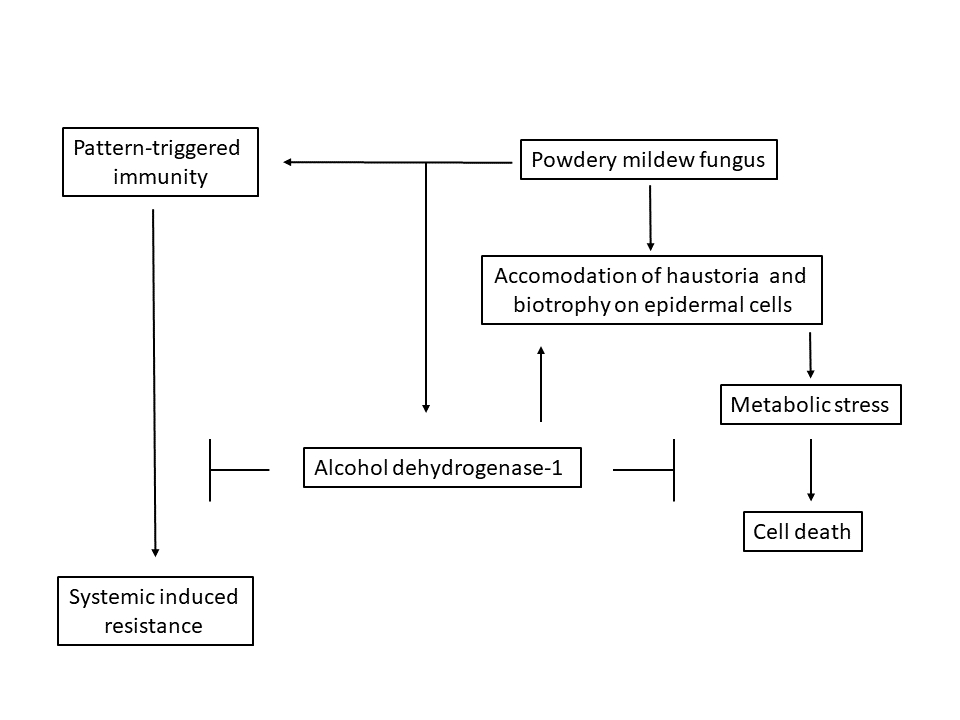
Gersten Alkohol Dehydrogenase-1 ist ein Anfälligkeitsfaktor gegenüber Echtem Mehltau und limitiert systemisch induzierte Resistenz in Gerste (mehr).
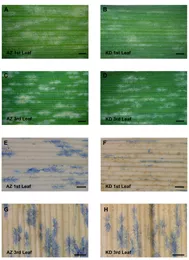
NADPH Oxidasen arbeiten in der Abwehr gegen biotrophe Mikroorganismen. Jetzt zeigen wir, dass eine Gersten NADPH Oxidase Blattalter-abhängig entweder in Resistenz oder Anfälligkeit gegen Echten Mehltau funktioniert (mehr).